 Latest Breaking News Online News Portal


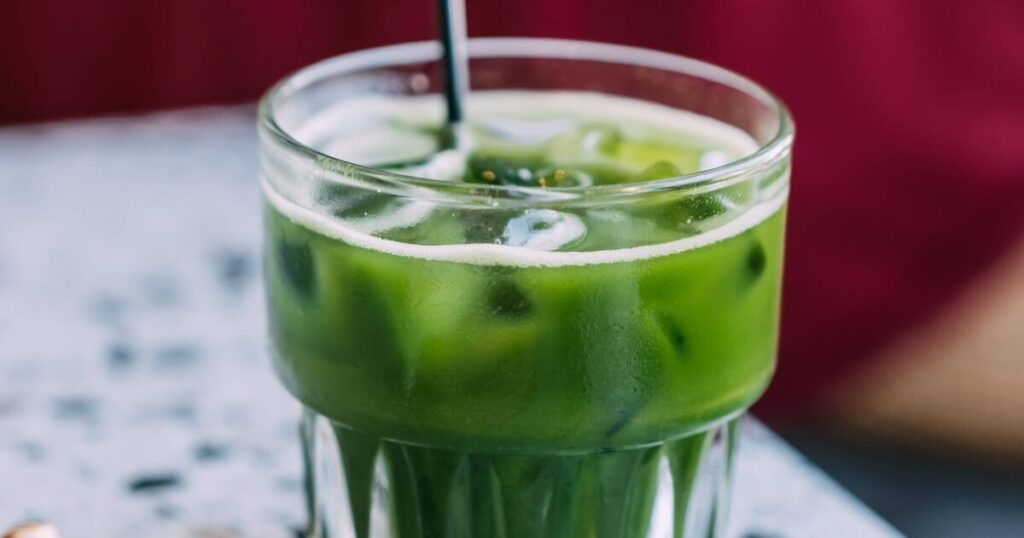

Iced Matcha in a transparent glass. Green tea with iced cubes and straw. (Image: Tatiana Maksimova via Getty Images)
Do you ever feel as though the matcha you prepare at home simply doesn’t measure up to the one you can purchase on the high street?
Matcha has officially swept the globe thanks to its distinctive flavour and excellent health benefits.
It’s become a hugely popular beverage across social media, becoming the go-to drink everyone requires after a Pilates session as an alternative to iced coffee.
According to Healthline, matcha promotes heart health by reducing blood pressure and cholesterol, enhances brain function and concentration via L-theanine and caffeine, and supports weight management by boosting metabolism.
But if you’re preparing it at home and aren’t satisfied with the results you’re achieving, @maddiesmatcha has revealed why on Instagram.
1. Whisking with boiling water
She said: “Using boiling water burns the matcha, making it taste bitter and destroying its smooth, umami flavour”.
2. Not soaking the whisk first
READ MORE: Doorbell camera alerts woman to chicken in her garden and she’s floored
READ MORE: I swapped £4 matcha lattes for an at-home maker and it will save me hundreds
“If you don’t soak your whisk, the bristles can snap, and it won’t create that smooth, creamy froth,” Maddie cautioned.
3. Using poor-quality matcha
She explained: “Low-quality matcha is often dull, bitter, and gritty. No amount of whisking will fix it”.
4. Not sifting the matcha
“Skipping this step leaves clumps in your drink and makes it almost impossible to get a silky texture. (Unless you use the paste method),” the expert noted.
5. Storing the matcha incorrectly
he revealed: “Matcha oxidises quickly, so light, air, and heat will make it lose its vibrant colour and fresh taste. (Storing it in the fridge can also help preserve it)”.
6. Not realising matcha contains caffeine
“Matcha contains caffeine (plus L-theanine), so it will 100% wake you up; it is, however, a slow-release caffeine, so it will give you steady energy throughout the day,” she clarified.
7. Failing to whisk correctly
She wrote: “Stirring in circles won’t work…you need a fast ‘M’ or ‘W’ motion to create proper foam and smooth consistency.”
What are the health benefits of matcha compared to coffee?
Matcha and coffee are both favoured beverages renowned for their invigorating effects, but they differ significantly in their health benefits due to their unique compositions.
Matcha is a finely milled powder created from specially cultivated and processed green tea leaves. Unlike standard green tea, matcha involves consuming the entire leaf in powdered form, which means you ingest a higher concentration of nutrients and antioxidants.
One of the most significant compounds in matcha is epigallocatechin gallate (EGCG), a powerful catechin known for its antioxidant, anti-inflammatory, and potential cancer-fighting properties.
Matcha is also abundant in L-theanine, an amino acid that promotes relaxation and can help alleviate stress without inducing drowsiness. The combination of L-theanine and caffeine in matcha creates a more stable and sustained energy boost, often described as a calm alertness.
This stands in contrast to the occasionally jittery or nervous sensation that coffee’s caffeine can trigger. L-theanine also assists in enhancing focus and cognitive performance, making matcha a favoured option for those pursuing mental sharpness.
Regarding caffeine levels, matcha typically contains less caffeine per serving than coffee, though this can differ depending on how it’s prepared. The caffeine in matcha is absorbed more gradually, resulting in fewer peaks and troughs in energy levels.
Furthermore, matcha is a valuable source of vitamins (such as vitamin C and certain B vitamins), minerals (including potassium and magnesium), and chlorophyll, which may assist in detoxification and bolster immune function.
Coffee, conversely, is chiefly valued for its elevated caffeine content, which delivers a swift and pronounced increase in alertness and vitality. Coffee is also abundant in antioxidants, particularly chlorogenic acids, which have been associated with decreased inflammation, enhanced heart health, and a reduced risk of certain conditions such as type 2 diabetes and Parkinson’s disease.
Coffee may also possess modest appetite-suppressing properties and can boost metabolism, which is why it’s occasionally incorporated into weight management approaches. Nevertheless, the swift absorption of caffeine from coffee can sometimes result in jitters, elevated heart rate, or a post-caffeine slump, particularly in susceptible individuals.
Another distinction concerns how each drink influences digestion and gut health. Coffee is acidic and can occasionally upset the stomach lining, resulting in symptoms including acid reflux or digestive upset in certain individuals.
Matcha, being less acidic, is typically kinder to the stomach.
In conclusion, whilst both matcha and coffee provide health advantages primarily through their antioxidant properties and capacity to boost alertness, matcha distinguishes itself through its distinctive pairing of L-theanine and caffeine, its superior antioxidant levels, and its milder impact on the digestive tract.
Coffee, by contrast, delivers a more rapid energy lift and is linked with numerous long-term health advantages, especially for cardiovascular and metabolic wellbeing. The decision between the two frequently depends on personal taste, preferred outcomes, and individual caffeine tolerance.