 Latest Breaking News Online News Portal




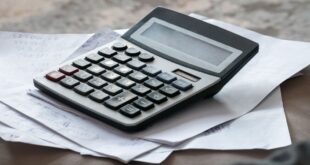
With the tax year ending some savers might get an unwelcome tax bill after being hit by frozen thresholds (Image: Westend61 via Getty Images)
Individuals with savings exceeding £16,000 have been issued a warning that they could face a tax bill. Savers are subject to restrictions on how much interest they can accumulate based on their tax bracket. The threshold stands at £1,000 for basic-rate taxpayers and £500 for higher-rate taxpayers. This tax rate has remained unchanged since 2016, despite 40 per cent inflation during that period.
Yorkshire Building Society is urging the government to reassess the allowance “in line with modern-day circumstances”. And personal finance expert Martin Lewis recently issued a tax alert for savers, with particular emphasis on those holding £11,000 or £22,000 in deposits, as, depending on income tax bands, they could incur the charges in a financial year.
The allowance was introduced in 2016 under Prime Minister David Cameron to replace the flat 20% rate – but it has remained static since. It represents the total amount of interest you can accumulate annually across all of your bank accounts, except ISAs, without facing tax.
Yorkshire Building Society stated this has effectively resulted in a stealth tax rise on savings each year. Savings rates were so modest when the allowance launched in 2016 that virtually no one accumulated sufficient interest to reach the limit.
At the time, a basic-rate taxpayer required approximately £100,000 in savings to exceed the £1,000 allowance. But with current rates approaching 3%, the threshold has dropped to roughly £33,000, or £16,000 for higher-rate taxpayers. Their analysis reveals that basic-rate taxpayers alone have contributed £4.7bn of the total £28bn paid in tax on savings interest. This comes at a time when the financial objectives people are saving for are becoming increasingly costly.
The median average house deposit has leapt from £25,000 in 2016 to £36,500 in 2025 – a 46% increase. Concurrently, the average cost of a wedding has surged by 42% over a similar period.
Non-pension savings held for retirement average £28,500 per person, with individuals typically setting aside around £650 a month.
The data indicates that 2.1 million more people have been thrust into the higher-rate tax bracket since 2016, with the Office for Budget Responsibility predicting that an additional 4.4 million will be pulled in by 2030 if the threshold remains static.
As soon as someone crosses the threshold into the higher-rate tax, their allowance is dramatically reduced from £1,000 to £500. Whilst their income hasn’t doubled, their tax-free interest capacity has been halved.
Yorkshire Building Society suggests that ordinary people are unwittingly paying tax on their savings, not because they’re wealthier, but because the system has remained stagnant whilst everything else has progressed.
A recent freedom of information request revealed that the number of people paying tax on their savings has more than doubled in three years, with 1.42 million basic-rate taxpayers paying tax on their interest.
However, the analysis also reveals a poor understanding of the system, with 64% having heard of the personal savings allowance and only 31% knowing how to pay the tax if they exceeded their allowance.
This means there are enormous amounts of money languishing in low-yield accounts, with £411bn in current and savings accounts yielding less than 1%.
In the meantime, the new £12,000 cash ISA limit for under-65s represents a reduction of £8,000 in annual tax-free saving capacity, and comes at a time when individuals are being drawn into higher-rate tax.
Martin Lewis has clarified the different tax rates: “The first one, the personal allowance, £12,570 a year that you can earn from any source, earnings, rent, savings, interest, without paying tax on. Most people get that unless you start earning over £100,000, when it’s taken away.”
Starting Rate for Savings Tax
Mr Lewis explained: “The next one not that many people know about is called the starting rate for savings. This is another £5,000 of savings. savings interest you can earn a year on top of the personal allowance. And this is designed for people who have low work earnings but high interest on savings. Often, people who are retired. And here’s how it works.
“For every pound of earnings you earn above this allowance, you lose a pound on your starting savings rate. So imagine you earn £13,570. You’re a £1,000 above that. You can now only have £4,000 of tax-free interest in your savings due to the starting savings rate. And by the time you earn from work £17,570, this is gone. So it’s only for people on low work earnings and high interest on savings.”
He had previously detailed how those in the ‘perfect circumstance’ would receive £12,570 from employment income. Mr Lewis clarified that the individual would then gain £5,000 via the starting savings allowance, along with an extra £1,000 from the personal savings allowance ‘because they all go on top of each other’.
He said: “You could earn £18,570 a year tax-free with £12,570 of it coming from work or other sources, and another £6,000 of it coming from savings. I hope that makes sense. The two main ones for most people are the personal allowance and the personal savings allowance, but for those on lower incomes, it’s worth reading the starting savings allowance guide that’s our money saving expert, just so you really understand it.”
There are FOUR main savings tax allowances, most know about some but not all. Here’s a video briefing…
Just a clip from the full “ISA deadline, use-it-or-lose-it” Martin Lewis Money Show watch the full show on https://t.co/6jAkB0ZDtw pic.twitter.com/o1Q4yRqjUj
— Martin Lewis (@MartinSLewis) March 12, 2026
Personal savings allowance
Mr Lewis dubbed this as the ‘big one’ and elaborated: “Next, we get the big one that many of you will know about, the personal savings allowance. And this is on top of those two. This is the fact that a basic rate taxpayer, 20% taxpayer, can earn £1,000 a year of interest in any form of savings at all without paying tax on it. Now, the top savings accounts at the moment pay about 4.5 per cent. So, you need about 22,000, just a little over £22,000 in the top savings account before you earn £1,000 interest.
“So, if you got less than that, you’re not going to be paying tax on your savings interest because it’s tax-free. High-rate tax because it’s within your personal savings allowance. High-rate taxpayers pay £500 a year of interest, which they can make each year tax-free. It’s about £11,000 saved at the top rate.
“If you’re an additional rate taxpayer earning over £125,000, you don’t get one of these. So, you got your personal allowance, your starting rate for savings, and on top of that up to another £1,000 in your personal savings allowance.”
For the 2025/26 tax year, the UK Personal Allowance remains at £12,570, with a 20% basic rate (up to £50,270), 40% higher rate (£50,271-£125,140), and 45% additional rate (over £125,140) for England, Wales, and Northern Ireland.
ISAs
Mr Lewis clarified: “You can put up to £20,000 a tax year in, as you know. And crucially, the interest earned in a cash ISA does not count towards the personal allowance, does not count towards the starting rate of savings, does not count towards the personal savings allowance. It is totally separate from that. So, anything you earn in there is not taxable. I should note premium bonds work roughly the same way, but it’s not an annual allowance. It’s a maximum £50,000 you can put in in total. Those are the main ways that you can save without paying tax on them.”