 Latest Breaking News Online News Portal


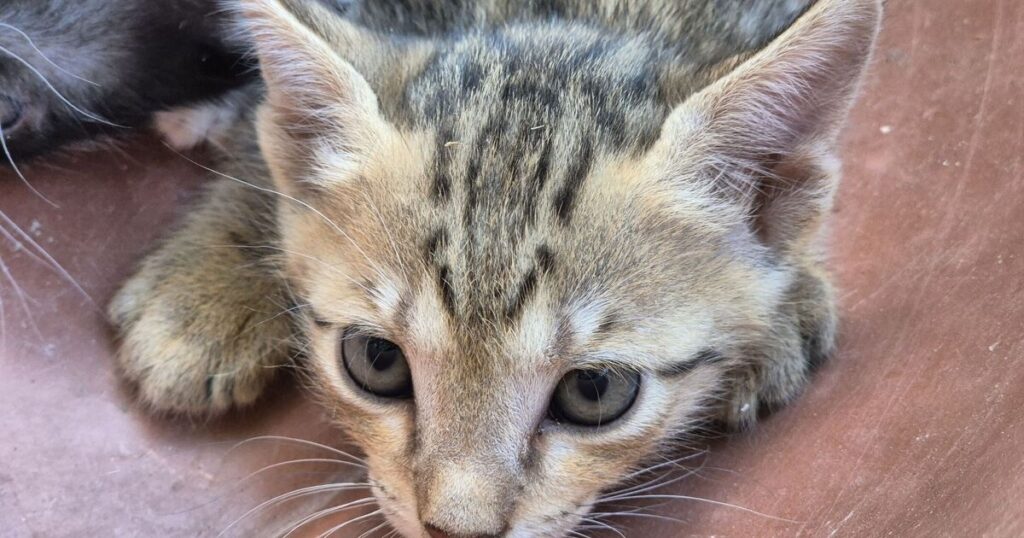

Pets can fake injuries (stock) (Image: Getty)
Nobody wants to think their pet might be playing them – especially when it looks like they’re in pain. But according to one vet, that limp or sad behaviour might not always be what it seems.
Alex the Vet has explained how some pets can actually “fake” injuries or illness and it often comes down to one simple thing – attention.
The vet, known as @alex_thevet on TikTok, says animals are far more switched on than people realise, and can quickly learn what gets them extra fuss.
He said: “So can our pets fake illnesses and injuries? Well, the answer is yes, they can. And there’s a pretty clever reason why they might do it.
“The most common symptoms they might fake are a hurt leg or limp, or just being more down or depressed in general.”
Read more: Poor dog looking for forever home after being returned to kennels yet again
@alex_thevet Cats and dogs don’t “fake” illness the way humans consciously lie, but they can learn to display or repeat behaviors that look like injury or sickness if those behaviors get them something they want. For example, a dog that once limped due to a genuine injury and received extra attention, rest, or treats may continue limping even after the pain is gone. The same goes for cats that act lethargic, hide, or vocalize in certain ways if it previously resulted in special care. This happens because pets are very good at associative learning: they connect a behavior with an outcome. In some cases, the behavior may start from real discomfort and then persist as a habit or communication tool. In others, animals may exaggerate mild symptoms rather than invent them from nothing. That said, animals also commonly hide real pain – especially cats – so any sudden or persistent change in behavior should always be taken seriously rather than assumed to be “acting. #catbehavior #veterinarymedicine #vetadvice #dogbehavior #cathealth ♬ original sound – dralexthevet
According to Alex, it usually starts with a real moment. If a pet was once genuinely hurt or unwell and got extra care, treats or attention, that experience sticks.
“So if something changes in their life – maybe you’re away more, they’re stressed or their routine has changed – they can go back to that behaviour that previously brought them comfort,” he explained.
But there are a few telltale signs it might not be the real deal.
“One big clue is inconsistency,” he said. “They’re not that good at acting. You’ll often see them forget to limp when they think you’re not watching.”
Another giveaway is food. If your pet is supposedly unwell but still sprinting over at dinner time, that’s a red flag.
He also says context matters – changes in routine or environment can often trigger this kind of behaviour.
However, he stressed it’s important not to jump to conclusions. “Even if you think they might be faking it, you should never ignore symptoms… always rule out medical problems first.”
And if it does turn out your pet has been putting on a performance, it’s not something to be annoyed about.
“It usually means they need more attention, more routine or more stimulation,” he added.
The advice struck a chord online, with pet owners sharing their own experiences.
One user said: “This definitely proves how positive reinforcement works. If only humans were that smart.”
Another added: “One of mine goes into the bathroom and screams… I think she does it when she’s hungry, but not always.”
A third joked: “Meanwhile my cat skipped the acting part and went straight to having what can only be described as panic attacks.”
And one more simply said: “And people say that positive reinforcement doesn’t work.”