 Latest Breaking News Online News Portal



A ‘Mornings with Maria’ panel analyzes the markets, the impact from the conflict in Iran and investing in companies that the government has a stake in.
The Federal Reserve’s preferred inflation gauge remained stubbornly high in April as consumers continued to face elevated price growth.
The Commerce Department on Thursday reported that the personal consumption expenditures (PCE) index rose 0.4% on a monthly basis in April and is up 3.8% from a year ago. The monthly figures were slightly cooler than the 0.5% increase expected by economists polled by LSEG, while the annual figure was in line with expectations.

Consumer prices have risen due in part to the impact of the Iran war. (Benjamin Boshart/Bloomberg via Getty Images)
HOW DOES FED CHAIR NOMINEE KEVIN WARSH VIEW THE CENTRAL BANK’S INFLATION GOAL?
Core PCE, which excludes volatile measurements of food and energy prices, was up 0.2% from a month ago and increased 3.3% year over year. The monthly figure was cooler than the 0.3% increase estimated by the LSEG poll, while the annual figure was in line with expectations.
Federal Reserve policymakers are focused on the PCE headline figure as they try to bring inflation back to their long-run target of 2%, though they view core data as a better indicator of inflation. Compared with March’s annual readings, headline PCE rose from 3.5% to 3.8%, while core PCE increased from 3.2% to 3.3%.
Goods prices were up 1.2% in April compared with a year ago, and were down 0.1% from the prior month.
Services prices increased 2.5% on an annual basis in April, and increased 0.2%.
HIGH ENERGY PRICES RISK KEEPING INFLATION ABOVE 2% TARGET, CONCERNING FED POLICYMAKERS
The personal savings rate as a percentage of disposable personal income was 2.6% – down from 3.2% in March and 3.6% in February.
Since the start of last year, the personal savings rate has declined from 5.1% in January 2025 and a peak of 5.5% last April to its current level.
What experts are saying
“With headline inflation closer to 4% than 3%, the Fed continues to walk a tight rope. When adjusted for inflation, spending barely rose in this report,” said Ellen Zentner, chief economic strategist for Morgan Stanley Wealth Management. “Rising prices are really taking a bite out of consumption, and the decline in the savings rate shows consumers are dipping into savings to make ends meet.”
GAS PRICE SURGE HITTING LOW-INCOME HOUSEHOLDS HARDEST, FED STUDY FINDS
Heather Long, chief economist at Navy Federal Credit Union, said that the “pain is real for many Americans right now.”
“The prices of many basics are up and incomes are not keeping pace. People are dipping into their savings to try to make ends meet. The savings rate a year ago was 5.5%. Now it’s 2.6%. The larger tax refunds are helping keep people afloat, but those will be exhausted by July. Belt-tightening is inevitable later this year,” Long added.
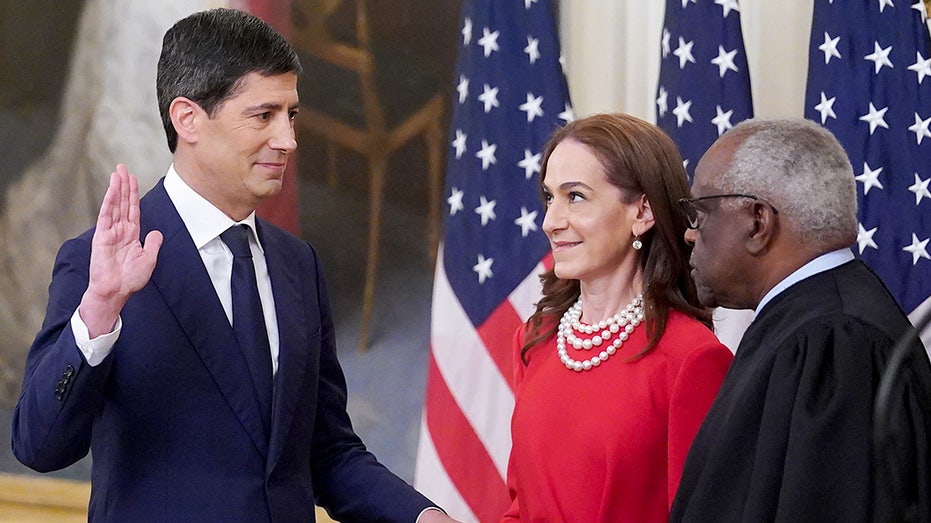
New Federal Reserve Chair Kevin Warsh was sworn in to the role last week and will oversee the central bank’s next monetary policy meeting in mid-June. (Al Drago/Bloomberg via Getty Images)
What does it mean for the Fed and markets?
The Federal Reserve is expected to keep interest rate cuts on pause for the near future, with the CME FedWatch tool showing a 98.8% probability of rates remaining at their current range of 3.5% to 3.75% after the central bank’s meeting next month.
The tool also shows a 47.4% chance rates will remain at their current level through the end of the year, with just a 0.6% chance of a 25 basis point rate cut by that time as opposed to a 39.2% chance of a rate hike of that size.
GET FOX BUSINESS ON THE GO BY CLICKING HERE
The stock market reaction to the PCE inflation report was muted. The benchmark S&P 500 index was little changed at open, while the Nasdaq was 0.5% in morning trading.